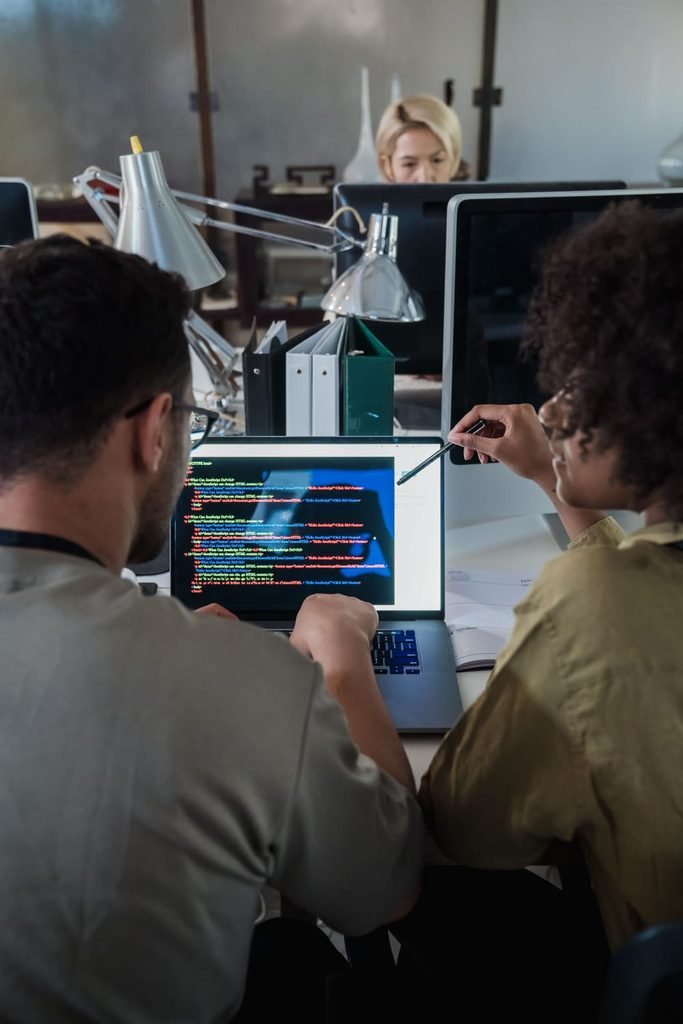
Getting into coding can feel pretty overwhelming when you’re staring at it from scratch, but figuring out how to start coding is actually way more approachable now—especially because you can use artificial intelligence like a personal, around-the-clock tutor. Whether you want to build websites from the ground up, automate annoying everyday tasks, or make your own software, here is a practical, straightforward roadmap to kick off your coding journey.
Figure Out What You Want to Make:
Before you write a single line of code, you need a rough idea of what you actually want to build. Your end goal dictates which programming language makes the most sense to pick up first:
Python: This is hands-down the best starting point for most beginners start Coding. It reads almost like plain English, has clean syntax, and is widely used for everything from data science to automation.
JavaScript, HTML, and CSS: Essential if your main goal is web development. HTML structures the page, CSS handles the styling, and JavaScript adds the interactive magic.
C++ or Java: Great choices if you want to dive deep into game development, computer science fundamentals, or heavy-duty enterprise software.
Set Up a Simple Workspace:
You really don’t need expensive or complicated software to get going. You just need a clean workspace to write and test your scripts.
Download Visual Studio Code (VS Code), which is free, lightweight, and used by developers everywhere.
Install a couple of beginner-friendly extensions like Prettier to automatically keep your code clean and organized.
Learn the Core Fundamentals:
Every programming language shares a few basic building blocks. Don’t try to learn everything at once—instead, focus on mastering these core concepts one at a time:
Variables and Data Types: How your program stores text, numbers, and true/false values in memory.
Conditional Statements (if/else): How you teach your program to make decisions based on different inputs.
Loops (for/while): How to automate repetitive tasks without rewriting the same lines over and over.
Functions: Reusable blocks of code built to handle specific jobs.
Use AI as Your Personal Coding Mentor:
Since you are already exploring the tech space, you have a massive advantage: AI assistants. You can lean on tools like ChatGPT or Claude to speed up your learning curve when figuring out how to start coding:
Break Down Complex Concepts: If you hit a brick wall with a confusing term or an intimidating error message, paste it into an AI tool and ask it to explain it simply.
Debug Your Mistakes: When your script breaks, paste the broken code and the error message into an AI assistant to see exactly what went wrong and how to fix it.
Generate Practice Exercises: Ask an AI to whip up beginner-friendly coding challenges tailored specifically to the language you’re practicing.
Build Small, Hands-On Projects:
Reading tutorials all day won’t actually make you a programmer—you have to get your hands dirty. Start with small, manageable projects that keep you motivated:
A basic calculator
A digital to-do list app
A simple number guessing game
A clean, personal portfolio website
Practice Consistently Every Day:
Consistency beats intensity every single time. Dedicate just 30 to 45 minutes a day to reading code, writing scripts, and troubleshooting errors. Building that daily habit is the real secret to moving from a total beginner to a confident creator.